
Bridging the Generations: Engaging Gen Z with Britain's Heritage
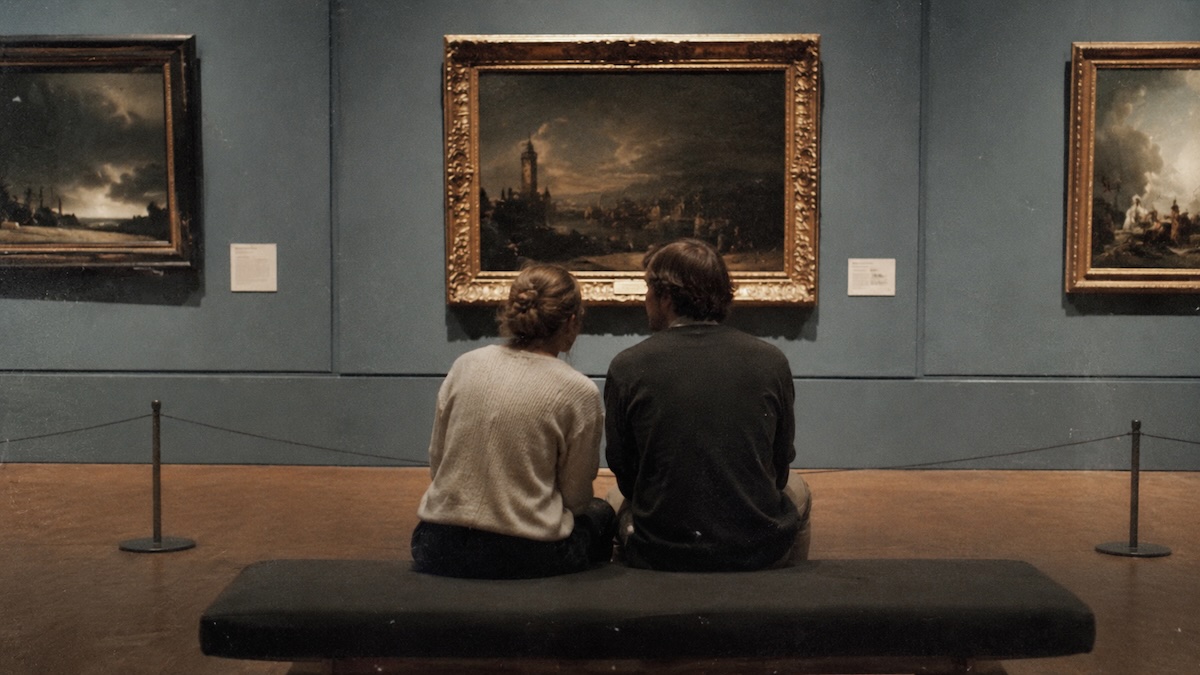
History has never been more popular in modern media. Bridgerton broke Netflix records with its reimagining of Regency England. Peaky Blinders turned interwar Birmingham into a cultural phenomenon. On TikTok, creators with millions of followers bring everything from Tudor court intrigue to Cold War espionage into sixty-second clips. YouTube channels dedicated to historical deep dives attract audiences that rival mainstream television. History, it seems, is having a moment.
And yet, heritage sites across Britain are facing a quiet crisis. Visitor numbers among younger demographics have been declining for years. Many historic houses, castles, and museums struggle to attract visitors under thirty, and those that do come often do not return. The gap between the appetite for history in digital culture and the footfall at physical heritage sites is one of the most pressing challenges facing the sector today.
A major new report by Historic Houses, titled Keeping History Alive, sets out to understand this gap. Based on extensive research with Gen Z audiences, those born roughly between 1997 and 2012, the report examines the barriers that prevent young people from engaging with heritage sites and, crucially, the opportunities that could bring them through the door. Its findings are both sobering and hopeful, and they have important implications for anyone working in the heritage sector.
The Barriers: Getting There, and Paying for It
The report makes clear that the biggest barriers to Gen Z engagement with heritage are not cultural but practical. Seventy-three per cent of respondents cited transport as a significant obstacle. Many of Britain's most important heritage sites are in rural locations, poorly served by public transport and difficult to reach without a car. For a generation that is less likely to own a vehicle and more likely to rely on buses and trains, this is a fundamental problem.
As one student quoted in the report put it, there is no point in promoting a heritage site if the nearest bus stop is five miles away and the last bus leaves at half past three. The romance of a country house loses its appeal when you are stranded in the countryside with no way home.
Cost is the second major barrier, cited by fifty-eight per cent of respondents. Heritage site admission prices are often set with families and older visitors in mind. For students living on tight budgets, the cost of entry combined with the cost of travel can make a visit prohibitively expensive. The report notes that many young people compare the cost of a heritage visit unfavourably with other leisure options, such as streaming services, city centre activities, or free museums in London.
The report recommends a range of practical responses: discounted tickets for under-thirties, partnerships with transport providers, flexible pricing tiers that acknowledge the financial realities of younger visitors. Some heritage sites in Europe have experimented with under-30 cultural passes that offer free or reduced entry to a network of sites, and the report suggests that a similar scheme could work in Britain.
Making History Come Alive
Beyond the practical barriers, the report explores what Gen Z actually wants from a heritage experience. The answers are illuminating and sometimes surprising.
Respondents expressed a strong desire for experiences that go beyond the traditional model of walking through rooms and reading information panels. They want behind-the-scenes tours that reveal the hidden stories of a place. They want workshops where they can try historical crafts or cooking techniques. They want immersive events that bring history to life, from candlelit evening tours to themed events tied to popular culture.
There is a strong appetite for the kind of experiential, hands-on engagement that makes history feel tangible and personal. Gen Z does not want to be lectured at. They want to participate, to touch, to make, to experience. The report describes this as a shift from passive consumption to active engagement, and it is a shift that heritage sites must take seriously.
Perhaps the most surprising finding is that Gen Z's desire for immersive experiences does not necessarily mean more technology. While augmented reality apps and interactive screens have their place, many respondents expressed a preference for analogue experiences. They want to unplug, not scan QR codes. They want the sensory experience of a historic space: the smell of old wood, the creak of a floorboard, the feel of a stone wall. In a world saturated with screens, the physicality of heritage is one of its greatest assets.
Storytelling that Resonates
The report places storytelling at the heart of effective Gen Z engagement. But it is not just any storytelling. Gen Z respondents were clear that they want stories that are honest, inclusive, and human.
They are less interested in the grand narratives of kings and queens and more drawn to the human stories that heritage sites can tell: the lives of servants, artists, workers, and reformers. They want to hear about the people who lived in the margins of history, whose stories have often been overlooked or untold. They are drawn to themes of gender, class, empire, and social justice, and they want heritage sites to engage with these themes honestly and thoughtfully.
I don't want history sanitised. I want to know the real stories, even the uncomfortable ones. That's what makes it interesting.
This quote from a respondent in the report captures a key insight: Gen Z does not want a whitewashed version of the past. They want complexity, honesty, and the kind of storytelling that treats them as intelligent, curious adults. Heritage sites that shy away from difficult histories risk alienating the very audience they need to attract. Those that lean in, that tell the full story with nuance and integrity, will find that honesty is more engaging than perfection.
The report highlights several heritage sites that are already doing this well, using interpretation that centres diverse voices, acknowledges difficult histories, and invites visitors to reflect on the connections between past and present. These approaches do not diminish the heritage. They enrich it.
Social Media: Meeting Gen Z Where They Are
Eighty-nine per cent of the UK population uses social media, and for Gen Z, it is the primary lens through which they discover, evaluate, and share experiences. The report is unequivocal: heritage sites that are not investing in their social media presence are invisible to younger audiences.
But the report goes further than simply recommending that heritage sites be on social media. It emphasises that the quality and authenticity of content matters far more than the quantity. Gen Z has a finely tuned sense for inauthenticity. Polished, corporate-style content is actively off-putting. What resonates is content that feels genuine, human, and a little rough around the edges.
The report highlights several heritage organisations that have found their voice on social media. The Black Country Living Museum, with its hugely popular TikTok account, is perhaps the best-known example. By using humour, character-driven storytelling, and a willingness to embrace the quirks of the platform, the museum has built an audience of millions, many of whom have gone on to visit in person. The Museum of English Rural Life (MERL) has achieved cult status on social media with its irreverent, self-deprecating approach. Hever Castle has used Instagram to showcase its gardens and events in a way that appeals to a younger aesthetic sensibility.
They need to meet me where I'm at. I'm not going to go looking for a heritage site on a website I've never heard of. But if they show up on my TikTok feed with something interesting, I'll pay attention.
The report also explores the role of content creator partnerships. Heritage sites that invite influencers and content creators to visit and share their experiences can reach audiences they could never access through their own channels alone. But these partnerships must be handled carefully. Gen Z can spot a forced collaboration from a mile away. The most effective partnerships are those where the creator has genuine interest in the subject and creative freedom to tell the story in their own way.
A Generation Ready to Engage
Perhaps the most hopeful finding of the Keeping History Alive report is that Gen Z is not indifferent to heritage. Far from it. The overwhelming majority of respondents expressed genuine interest in history and heritage. The problem is not a lack of desire but a lack of access, affordability, and relevance.
The report sets out a clear path forward for heritage sites that want to engage this generation. Its recommendations can be distilled into five practical steps:
- Offer discounted tickets and flexible pricing that acknowledges the financial reality of younger visitors, including student rates, off-peak pricing, and under-30 passes.
- Improve accessibility and transport links, whether through partnerships with bus and rail companies, shuttle services from nearby towns, or simply ensuring that travel information is clear and easy to find online.
- Invest in storytelling that is honest, inclusive, and human, centring diverse voices and engaging with the full complexity of history, including its difficult chapters.
- Create hands-on, immersive experiences that go beyond traditional displays, from workshops and behind-the-scenes tours to evening events and seasonal programming.
- Build an authentic social media presence that meets Gen Z where they are, using genuine, creative content and strategic partnerships with content creators.
The heritage sector has an extraordinary story to tell. Britain's historic houses, castles, museums, and landscapes are among the richest cultural resources in the world. But a story only has value if it reaches an audience. The next generation of visitors, supporters, and custodians is out there, scrolling through their phones, watching history on their screens, and waiting to be invited in.
The question for heritage sites is not whether Gen Z cares about history. The evidence is clear that they do. The question is whether heritage sites are willing to adapt, to listen, and to meet this generation on their own terms. Those that do will not only secure their future audiences but will discover that the conversation between past and present has never been richer.
History is not a relic. It is a living conversation. And the next generation is ready to join it.